A true story of a missed shot and a lesson for all photojournalists.
The Rodeo Fairgrounds, in Lakeside, California, were hot and dusty. The mid-August sun beat down on the crowd of fans, while the smell of BBQ, cigarettes, and beer filled the air. Pretty girls wearing tube tops and Daisy Dukes hung on the arms of skinny redneck boys who gave me side eye as they spat tobacco juice into the dirt. “I shouldn’t have worn my Vans”, I thought, feeling like an outsider. But my camera bag slung over my shoulder gave me confidence. I knew I didn’t belong in this country music-loving crowd, but at least I had a purpose. I was a photographer.
The music headliner was some old country guy, Merle Haggard. I’d never heard of him. At 19, in 1983, I listened to The Cars, The Misfits, AC-DC, and Zeppelin. Country music, I thought, was for people born and raised in the square states—worlds away from the sun-soaked beaches of Southern California.
“Hey Paul, come with me for a minute, I gotta sign some papers”
Though he was only a few years older, I admired him. Marc seemed like the kind of person who could make things happen, and I was grateful for the chance to photograph my first concert.
Marc Oswald, producer of the country music festival, led me behind the grandstand at the Lakeside Rodeo. He was young, self-assured, and always ready with a quick line. His company logo, Luchenbach Productions, was embroidered in gold on the back of a neon-blue windbreaker. Sporting a highlighted, feathered mullet and rose-tinted aviators, Marc was smooth.
The sign on the motorhome door read, DO NOT ENTER. PROTECTED BY SMITH & WESSON. The producer opened the door and said to me, “Keep your mouth shut, this won’t take long.”
The air inside the Winnebago was thick with cigarette smoke, so dense that it seemed to wrap itself around my throat. Sunlight bled through the crack in the curtains, turning the motorhome into an old-time saloon. While I sat on a small brown naugahyde bench, Marc and another man sorted through a file of papers in the tiny kitchen. Country music played on the radio. Trying to blend in and be one of the guys, I pretended to like it, nodding my head to the beat of a song I’d never heard before.
Sitting around the table in front of me were three men, playing poker, smoking cigarettes, and sipping Jack Daniel’s at 1’Oclock in the afternoon.
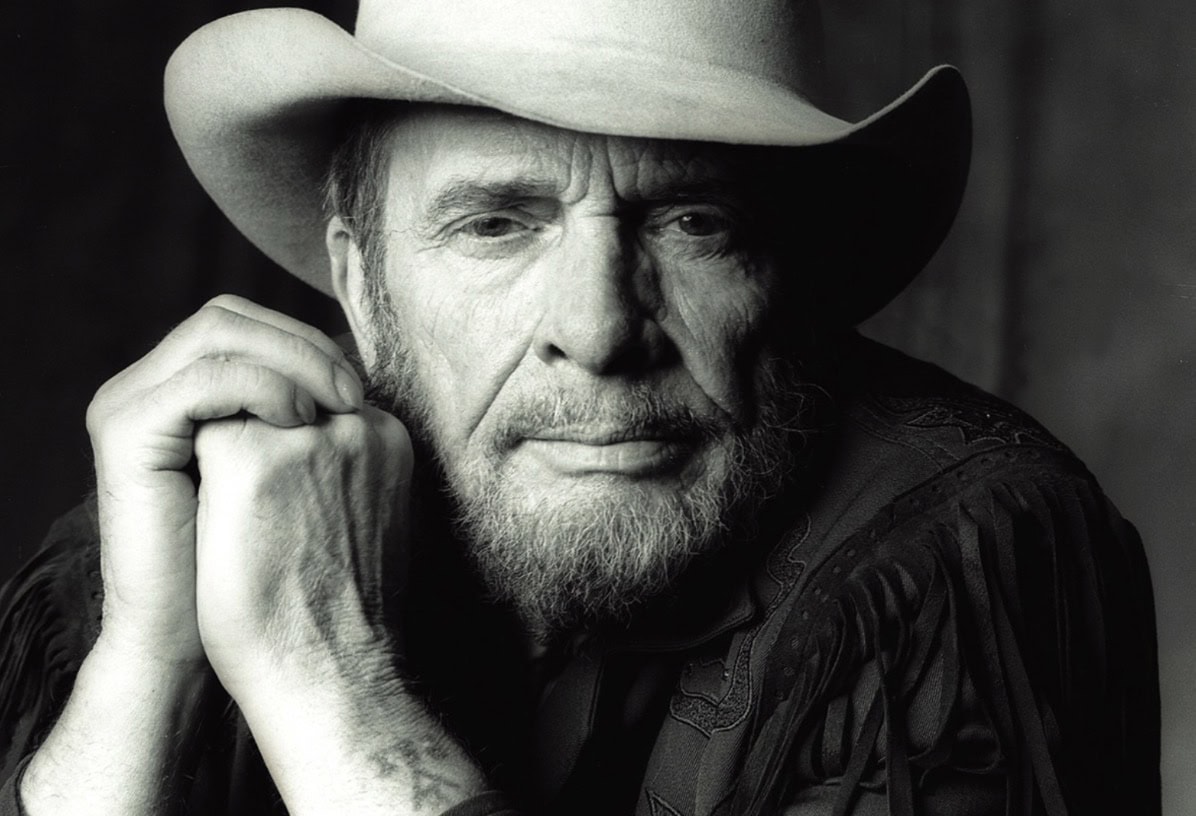
Cards were dealt with blind precision, landing in and around the table’s clutter. Big bills slid silently into the center, while the men eyed each other with suspicion. Their hands moved over the cards, rhythmic and precise, from years of ritual and routine. The dealer, with a calm authority, commanded the room without a word. His scruffy beard softened the angles of his face, giving him a deceptively youthful air, but deep lines—etched from a lifetime of hard living—betrayed his true age. For a moment, he caught me staring. His eyes, deep set and intimidating, met mine, and I looked away.
I was tense, but tried to act cool as I sat perched on the edge of the bench, shrinking into myself and wishing I could disappear. My hand nervously rubbed on the strap of my camera bag. I had no idea why Marc had brought me in here or what I was supposed to be doing.
Outside, I heard the bass rumble as music started. Finally, I thought, let me out of here!
I stood up and said, “Marc, I’d better get to the stage.”
“Ah, yeah, ok, Paul, whatever,” Marc replied, not looking up from the pile of papers.
I opened the door, and the guy dealing the cards spoke up. “Hey,” he called. I turned back to the poker players. “Good luck out there,” he said with a nod and grin.
“Oh, thanks! Yeah, thanks,” I said.
Feeling rather cocky with my special PHOTOG sticker on my t-shirt, I made my way through security to the pit in front of the stage. The crowd was milling about as the band played on. I loaded my camera and, like the grand finale of a firework show, I burst 36 exposures in less than a minute. “Slow down!” I thought. “Relax, Paul, take it easy, you still have 2 hours!”
The band played for another 30 minutes. I didn’t know their music, couldn’t recognize a song, and, much like the crowd, I was distracted. But I kept shooting. I could only afford three rolls of film, and I’d already burned through 2 of them.
The band took what I thought was a break. 15 minutes later, Marc walks out on stage, grabs the mic, and says,
“Hello Lakeside!” He paused, allowing the anticipation to swell in the crowd. “Please give it up for…” The name hung in the air, almost visible in its weight. “Merle Haggard and the Strangers!”
The crowd exploded as the band took the stage. The screams and cheers drowned out the first few notes as the girls pressed themselves up against the railing, waving their hands and shaking their bodies.
My jaw hit the floor. “The dealer! The dude in the Winnebago! That’s the guy!” I said out loud. “That’s Merle! A wave of panic and regret washed over me while the band played a song titled “Workin’ Man Blues”.
Merle Haggard, so far removed from the guy playing poker and sipping Jack Daniels, now, standing like a king in front of his band. An ordinary man, transformed and larger than life, grinning as he strummed his guitar for his adoring fans.
I lowered my camera, letting it hang from my shoulder, and just stared at the wiry bearded man with a black cowboy hat, and a commanding presence. “Good luck out there,” he’d said to me. Wow! I thought. Just wow. I shot a few more frames, rationing my film, cursing myself for not shooting inside the motorhome and for wasting precious film on the nameless opening act.
The concert ended, and my ears rang as I packed up my gear, collected my $50.00 check, and drove home.
I couldn’t sleep that night. I just replayed the poker scene over and over. I could see the shots I didn’t take. The $100 bills tossed in the middle of the formica table. The dinner plate they used as an ashtray. The cigarette, smoked down to the nub and seemingly glued to Merle’s fingers. The shots had unfolded right in front of me, and I missed them. No, not missed, I never saw them. I was so in my own head— blind to my surroundings. Big deal, I lamented. So I got a few shots of this famous musician performing on stage. Anyone could have shot those. But I missed the real. I failed to shoot what the public never sees. I missed the chance to capture this man, being himself! And what about the fans? Why didn’t I simply turn my camera into the crowd? The cute girls with big hair and cropped t-shirts, sitting on their boyfriend’s shoulders. The fans, young and old, with their sticky faces and the smell of bodies, beer, weed, and sweat.
Those scenes, those missed opportunities, forever haunt. However, that missed moment years ago changed everything for me. It taught me that the true magic of photography lies in honesty, presence, and empathy—the ability to see and preserve what’s real.
My team and I believe every company has a story worth telling—not just through staged portraits, but in the genuine, unscripted moments that reveal your culture, your people, and your spirit. Our approach is deeply rooted in photojournalism: we listen, we watch, and we wait for those fleeting instants that speak volumes about who you really are.
When you invite us in, you trust us to capture your truth. That’s a responsibility we cherish, and it’s why we strive to turn every assignment into a legacy of authentic images—images that make you feel, remember, and connect. If you want your business story told with heart, honesty, and artistry, we’d be honored to help you capture it.